
Jepun Akan Melancarkan Misi Mendarat Di Bulan Pada Januari Depan
Effi Saharudin
Rusia, Amerika Syarikat, China dan India adalah empat negara yang berjaya mendaratkan proba ke permukaan bulan setakat ini menjadikannya kelab yang cukup eksklusif. Pada Januari depan, Jepun ingin menjadi negara kelima memasuki “kelab bulan” menerusi misi SLIM (Smart Lander for Investigating Moon).
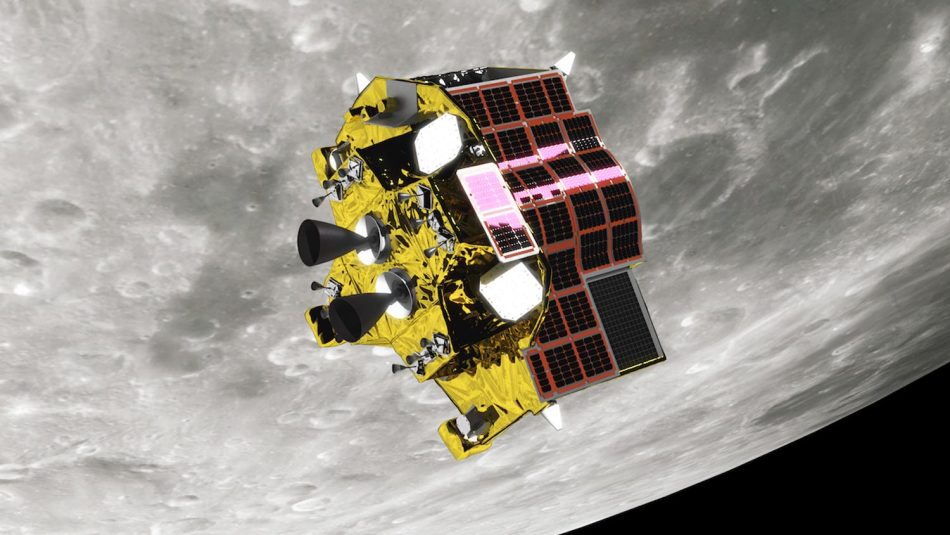
Agensi Angkasa Jepun (JAXA) mengatakan mereka menyasarkan proba SLIM akan medarat di permukaan bulan pada 19 Januari tahun depan. Proba ini telahpun dilancarkan dari bumi pada 6 September yang lalu. Menurut perancangan asal SLIM sepanjang sebesar 2.4m x 1.7m x 2.7m dan seberat 730 kg akan memasuk orbit bulan ada 25 Disember ini.
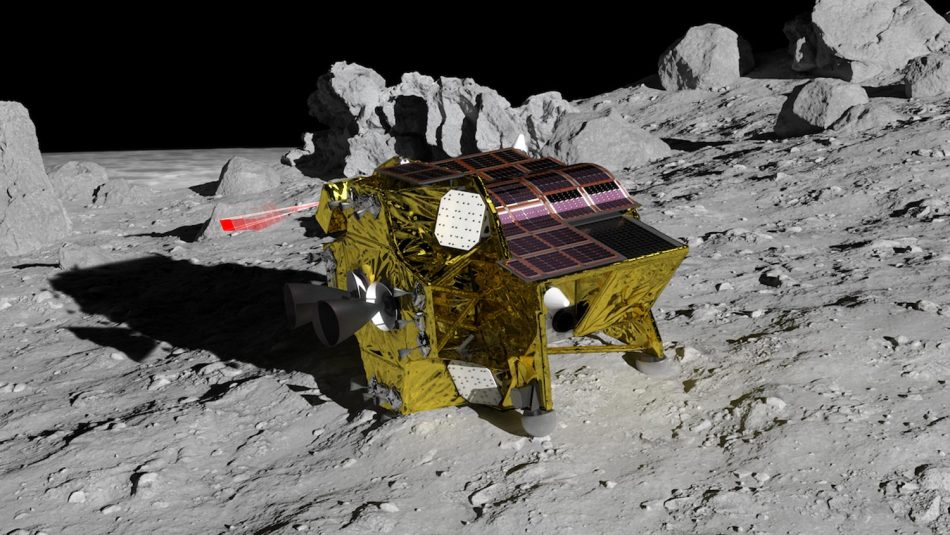
Jika semua sistem berjalan lancar SLIM akan mendarat di kawan Shiolu berhampiran Mare Nectaris. Tujuan misi SLIM dilakukan ialah menguji sistem pendarat yang mencapai ketepatan sekitar 100 meter daripada sasaran. Ia juga akan membuka pintu kepada Jepun untuk melakukan lebih banyak misi lagi ke permukaan bulan.
Jepun ialah antara negara yang menandatangi Persetujuan Artemis yang berjanji untuk melakukan pengembaraan angkasa lepas untuk tujuan keamanan sahaja. Bantuan kecemasan akan diberikan kepada angkasawan apabila diperlukan. Turut disertakan ialah etika ketika melombong sumber di permukaan bulan dan Marikh.
[sumber] JAXA [/sumber]
Japan will make moon-exploration history in the middle of next month, if all goes to plan.
The Japan Aerospace Exploration Agency (JAXA) announced today (Dec. 5) that it’s targeting Jan. 19 for the lunar landing of its robotic SLIM (“Smart Lander for Investigating Moon”) spacecraft.
The newly revealed plan calls for SLIM to begin its descent toward the moon on Jan. 19 around 10 a.m. EST (1500 GMT; 12 a.m. on Jan. 20 Japanese Standard Time). Touchdown — which would mark the first-ever soft lunar landing for a Japanese spacecraft — is scheduled to occur about 20 minutes later.
Related: Missions to the moon: Past, present and future
Click here for more Space.com videos…CLOSE
0 of 8 minutes, 12 secondsVolume 0%
PLAY SOUND
The 8.8-foot-long (2.7 meters) SLIM probe launched atop a Japanese H-2A rocket along with an X-ray space telescope called XRISM on Sept. 6. XRISM deployed into low Earth orbit, but SLIM began making its circuitous, fuel-efficient way to the moon.
If all goes smoothly, SLIM will enter lunar orbit on Christmas Day, then spend nearly a month prepping for its technology-demonstrating touchdown attempt. Success would make Japan just the fifth nation to put a probe down on the moon, after the Soviet Union, the United States, China and India. This landing could also open doors for even more ambitious exploration feats down the road.
“SLIM aims to achieve a pinpoint landing with an accuracy of less than 100 meters [330 feet],” JAXA officials wrote in an update today.
“This marks an unprecedentedly high-precision landing on a gravitational body such as the moon, and the results are anticipated to contribute to the programs such as international space exploration that are currently under study,” they added.
SLIM also totes two miniprobes, both of which will deploy onto the lunar surface after landing. The duo will photograph the touchdown site, help the SLIM team monitor the mothership’s status and provide an “independent communication system for direct communication with Earth,” according to JAXA’s mission press kit.
Click here for more Space.com videos…
Japan to launch SLIM lunar lander to moon! See the mission animation
JAXA in launching a small lunar landing demonstrator “SLIM ” in late August 2023. See it travel to the moon’s surface in this animated explainer. Credit: JAXA
0 seconds of 2 minutes, 5 secondsVolume 0%
PLAY SOUND
RELATED STORIES:
— Japan’s SLIM moon lander completes 1st critical phase in Earth orbit
— Private Japanese moon lander crashed after being confused by a crater
— The moon: Everything you need to know about Earth’s companion
SLIM’s lunar landing try won’t be the first for a Japanese spacecraft; a private probe had a go earlier this year.
That spacecraft — the Hakuto-R lander, built by Tokyo-based company ispace — successfully reached lunar orbit but crashed during its touchdown attempt after getting confused by the rim of a moon crater.